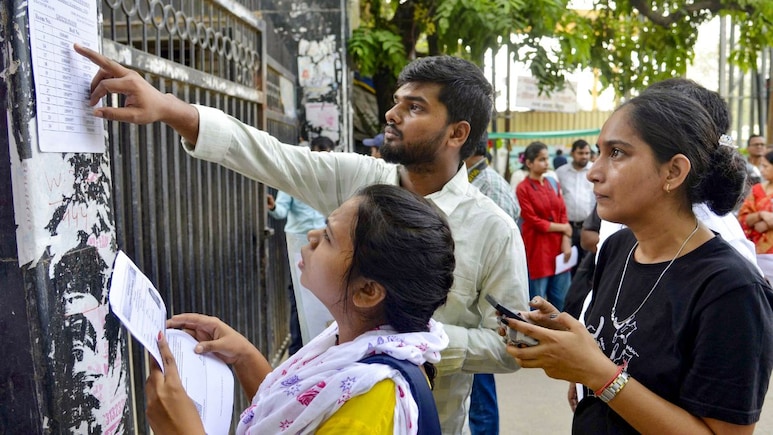
Toughest Questions from UPSC Prelims 2026: यूनियन पब्लिक सर्विस कमिशन (UPSC) की सिविल सेवा प्रारंभिक परीक्षा (UPSC CSE) 2026, 24 मई को कराई गई. हर साल की तरह इस साल भी लाखों उम्मीदवारों ने IAS, IPS, IFS जैसी सर्विसेज के लिए यूपीएससी सीएसई प्रीलिम्स एग्जाम दिया. इस साल करीब 933 पदों के लिए कुल 8,19,372 उम्मीदवारों ने आवेदन किया था. लेकिन परीक्षा खत्म होने के बाद उम्मीदवारों और शिक्षकों के बीच पेपर के कठिनाई स्तर को लेकर चर्चा तेज हो गई है.
पिछले साल के मुकाबले ज्यादा कठिन रहा GS पेपर
छात्रों के अनुसार, इस बार जनरल स्टडीज (GS) पेपर 2025 की तुलना में ज्यादा लंबा और कठिन था. कई सवाल ऐसे थे जिनमें गहरी समझ और एनालिसिस की जरूरत थी. उम्मीदवारों का कहना है कि पेपर में सिर्फ फैक्ट्स याद होना काफी नहीं था, बल्कि सब्जेक्ट्स की अच्छी पकड़ भी जरूरी थी. GS पेपर में इस बार इतिहास, कला एवं संस्कृति से सबसे ज्यादा 20 सवाल पूछे गए. इसके अलावा अर्थव्यवस्था से 19, विज्ञान एवं तकनीक से 18, भूगोल से 13, पर्यावरण से 11 और राजनीति एवं शासन से 8 प्रश्न आए. वहीं दूसरे सब्जेक्ट्स से 11 सवाल पूछे गए.
वहीं CSAT पेपर को लेकर टीचर्स का कहना है कि इस बार कुछ सवाल अलग और नए पैटर्न के थे, जिसने कई उम्मीदवारों को चौंका दिया. हालांकि कुल मिलाकर पेपर ज्यादा कठिन नहीं माना गया. अच्छी तैयारी करने वाले छात्रों के लिए CSAT पेपर को हल करना संभव था.
इन सवालों ने उड़ाए उम्मीदारों के होश
1. Which of the following international convention have not been ratified by India?
(a) Employment Policy Convention
(b) Abolition of Forced Labour Convention
(c) International Convention on the Protection of the Rights of All Migrant Workers and Members of Their Families
(d) Geneva Convention Relative to the Protection of Civilian Persons in Time of War
(e) convention on reduction of statelessness
2. Consider the following statements relating to the use of the place-value system in India:
(a) The earliest epigraphic use of the place-value system in India is found in the Mankani plates from Gujarat (AD 595-596).
(b) In the ninth century, place-values become general in inscriptions all over India.
(c) The place-values have been found in Sanskrit inscriptions in South-east Asia as early as the seventh century.
3. The Bureau of Indian Standard (BIS) recently introduced a national standard to test and assess bomb disposal system. Which of the following statements with regard to this system is/are correct?
(a) The standard is known new IS 19445: 2025. as
(b) It will improve interoperability of equipment across agencies.
(c) It was developed by TBRL, DRDO in collaboration with the 30 ^ (th) Central Scientific Research Institute, Russia.
4. X', born in the UK, was conferred the Nobel Prize in 2025. He was a professor in an American university when this prize was announced. Identify X':
(a) Michel H. Devoret
(b) Richard Robson
(c) John Clarke
(d) Joel Mokyr
5. Which of the following statements in relation to NIRANTAR (National Institute for Research and Application of Natural Resources to Transform, Adapt and Build Resilience), a platform of institutions under the Ministry of Environment, Forest and Climate Change, is/are correct?
(a) Ecosystem Survey and Analysis is a vertical under this platform, the lead institute of which is Botanical Survey of India, Kolkata.
(b) Research and Management of Ecosystem Service is a vertical under this platform, the lead institute of which is Central Zoo Authority, New Delhi.
(c) Capacity Development Support is a vertical under this platform, the lead institute of which is Indian Institute of Forest Management, Bhopal.
क्यों कठिन मानी जा रही है UPSC 2026 परीक्षा?
एक्सपर्ट्स का मानना है कि UPSC ने इस बार परीक्षा का स्तर काफी ऊंचा रखा. इस बार फैक्ट्स आधारित प्रश्नों की जगह एनालिटिकल और मल्टी-डिसिप्लिनरी प्रश्नों को प्राथमिकता दी गई. यही वजह है कि कई अनुभवी उम्मीदवार भी परीक्षा के बाद सवालों को लेकर चर्चा करते नजर आए.
NDTV.in पर ताज़ातरीन ख़बरों को ट्रैक करें, व देश के कोने-कोने से और दुनियाभर से न्यूज़ अपडेट पाएं
